
Awning Windows in Australia: A Performance-Driven Choice Under Local Codes and Climate
In Australia, window selection is not purely an architectural decision—it is a compliance and risk-management decision. External windows form a critical part of the building envelope and must satisfy mandatory requirements for structural strength, water penetration resistance, air infiltration, bushfire exposure, and energy efficiency.
1/27/20263 min read
In Australia, window selection is not purely an architectural decision—it is a compliance and risk-management decision. External windows form a critical part of the building envelope and must satisfy mandatory requirements for structural strength, water penetration resistance, air infiltration, bushfire exposure, and energy efficiency.
Among common window types, awning windows (top-hinged, outward-opening) are widely recognised as one of the most test-compatible and performance-reliable solutions for Australian residential and multi-residential projects.
All external windows used in Australian buildings must comply with AS 2047 – Windows and External Glazed Doors in Buildings, the core performance standard referenced by the National Construction Code (NCC).
AS 2047 defines minimum performance requirements for wind pressure resistance, water penetration, air infiltration, and operational durability. Compliance is mandatory for building approval and performance claims must be supported by testing in accordance with the AS 4420 test series.
Official references:
National Construction Code – Australian Building Codes Board
Standards Australia – AS 2047
Why Compliance Matters in the Australian Market
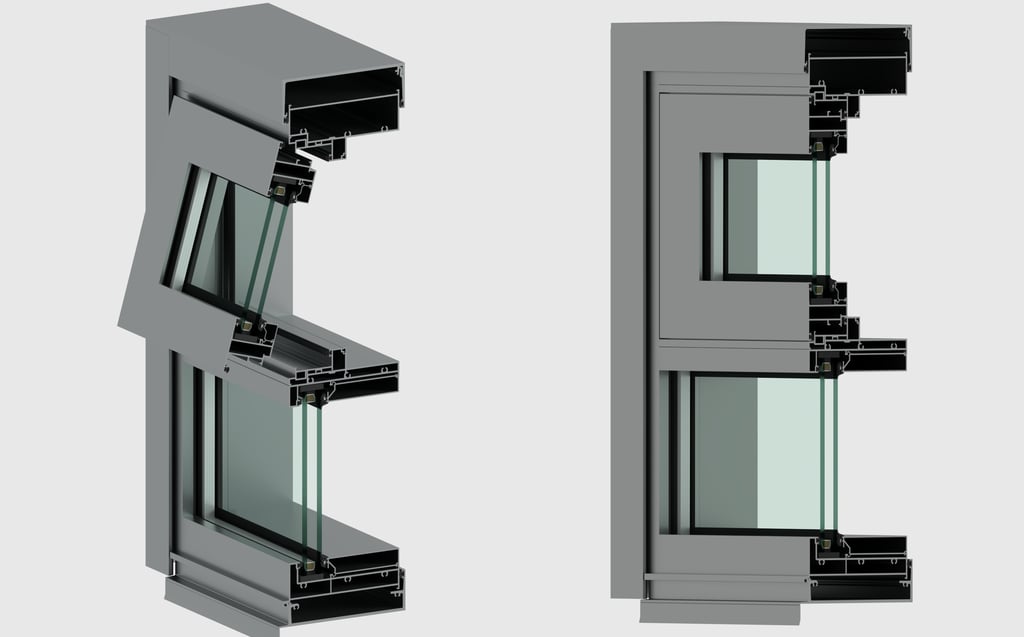
Awning windows are top-hinged and open outward with a controlled opening angle. When closed, they operate using compression seals. Under wind pressure, the sash is forced tighter against the frame rather than being pulled away from it.
This structural load path naturally improves water and air sealing performance, particularly under wind-driven rain conditions. In contrast, sliding windows rely primarily on brush seals, making their performance more sensitive to installation quality, wear, and long-term maintenance.
Structural Logic: Why Awning Windows Perform Consistently
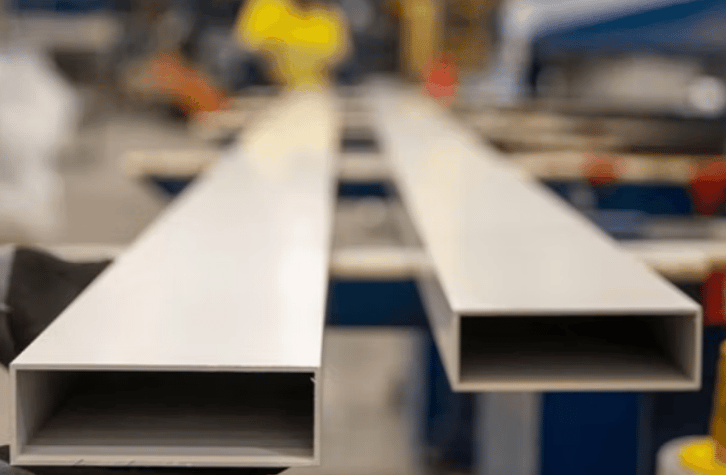
Despite regulatory challenges, aluminum louver facades remain attractive in the U.S. building market due to their functional and performance benefits.
Well-designed louver systems can:
Reduce solar heat gain and cooling loads
Improve daylight control and visual comfort
Support passive design strategies aligned with energy codes
Enhance façade depth, rhythm, and architectural identity
Authoritative building-science research and government-backed design guidance consistently show that external shading devices can reduce annual cooling energy demand by approximately 5–15%, depending on climate zone, orientation, and glazing ratio.
3. Architectural and Performance Value of Aluminum Louvers
Because aluminum louvers are lightweight, corrosion-resistant, and highly customizable, they are especially suited to:
Warm and mixed climates (California, Texas, Southeast U.S.)
Commercial office buildings
Educational and institutional facilities
Transit-oriented and mixed-use developments
When performance requirements are met and properly documented, Chinese-manufactured systems can technically comply with U.S. energy and building standards.
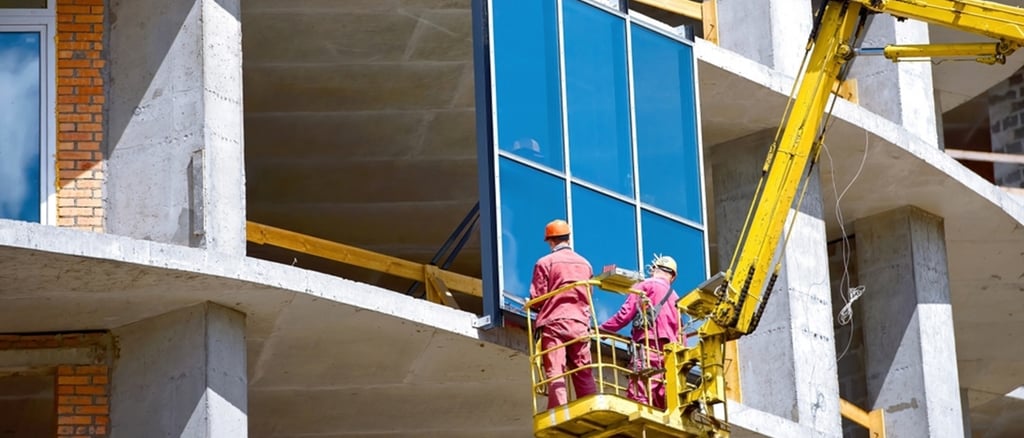
The presence of Chinese aluminum louver products has produced both benefits and tensions within the U.S. market.
Positive impacts include:
Greater price competition and cost control for façade packages
Increased design flexibility through a wider range of extrusion profiles
Faster scaling for large or repetitive projects
Challenges and concerns include:
Competitive pressure on domestic aluminum extruders
Increased reliance on trade remedies to protect local manufacturing
Higher compliance and administrative burdens for importers
Risk exposure related to customs delays or shipment holds
In response, many U.S. contractors and developers are:
Prioritizing suppliers with strong compliance systems
Exploring local fabrication or partial assembly strategies
Requesting clearer warranties, testing reports, and liability coverage from overseas manufacturers
4. Impact on the U.S. Construction and Façade Industry
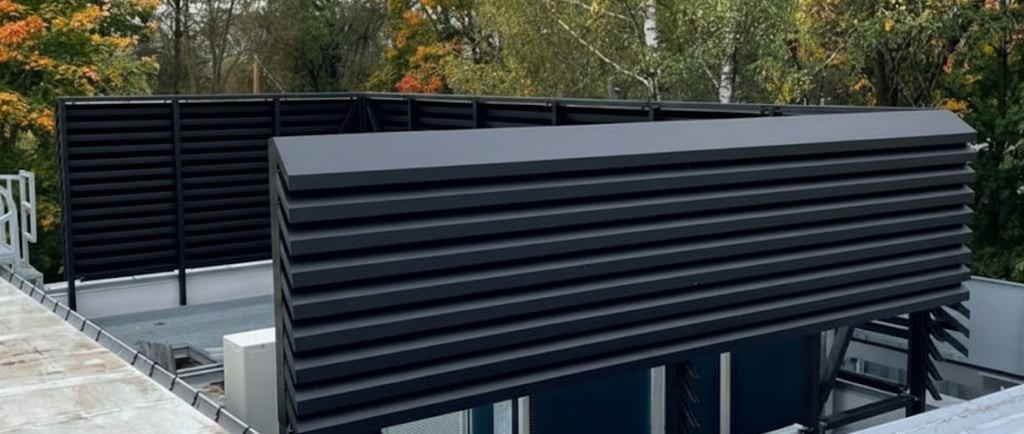
Looking forward, several trends are likely to shape the role of Chinese aluminum louver facades in the U.S. market:
Shift toward higher-performance products
Systems with verified thermal, durability, and sustainability credentials will have better acceptance.Increased emphasis on documentation and traceability
Compliance transparency will become a baseline requirement, not a competitive advantage.Hybrid supply models
Combining Chinese extrusion capacity with local finishing, assembly, or certification may reduce risk.Growth driven by energy codes and climate design
As U.S. energy standards continue to evolve, demand for external shading solutions is expected to remain strong.
5. Market Outlook and Future Direction
Chinese-exported aluminum louver facades continue to play a meaningful role in the U.S. construction market, offering cost efficiency, design flexibility, and scalable production capacity. At the same time, evolving trade policies and regulatory enforcement have significantly raised the bar for compliance and risk management.
For developers, architects, and façade contractors, success no longer depends solely on sourcing location, but on how well products meet performance standards, regulatory requirements, and long-term project risk expectations.
In this environment, aluminum louver systems from China can remain competitive — provided they are supported by robust documentation, transparent supply chains, and proven technical performance.
Conclusion
Innovation
quite
info@gbachasefacade.com
© 2024. All rights reserved.
window system
DOOR system