
Enhancing Energy Efficiency and Structural Stability: GBA Concealed Hardware Bi-Fold Doors in Premium Architecture
Blog post description.
11/19/20253 min read
In both Australian and American residential and commercial developments, bi-fold door systems have become increasingly popular for maximizing openings and enhancing indoor–outdoor living. For architects and developers seeking minimalist façades, high daylight performance, and premium outdoor integration, a bi-fold door is not merely a door—it is an architectural upgrade.
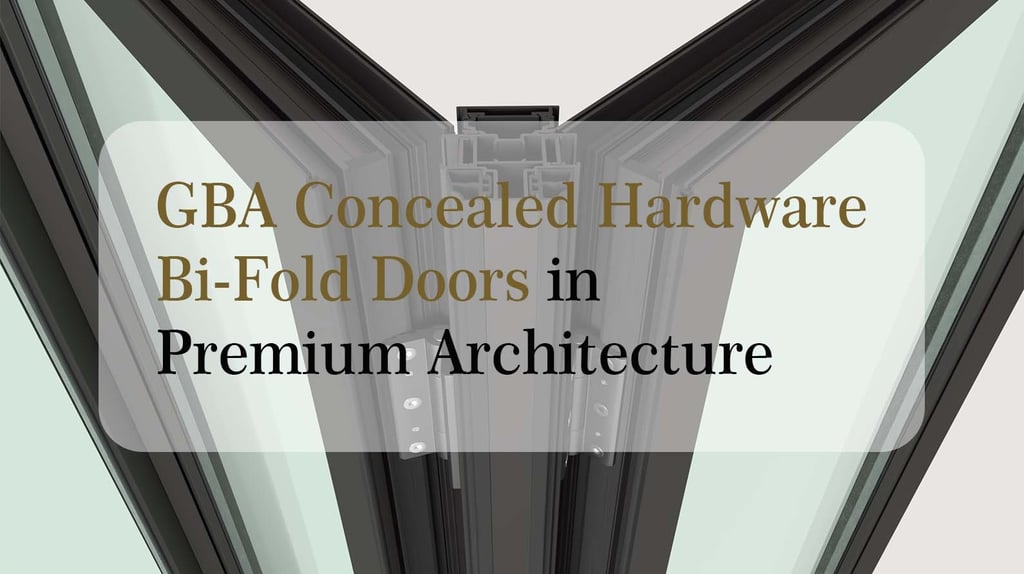
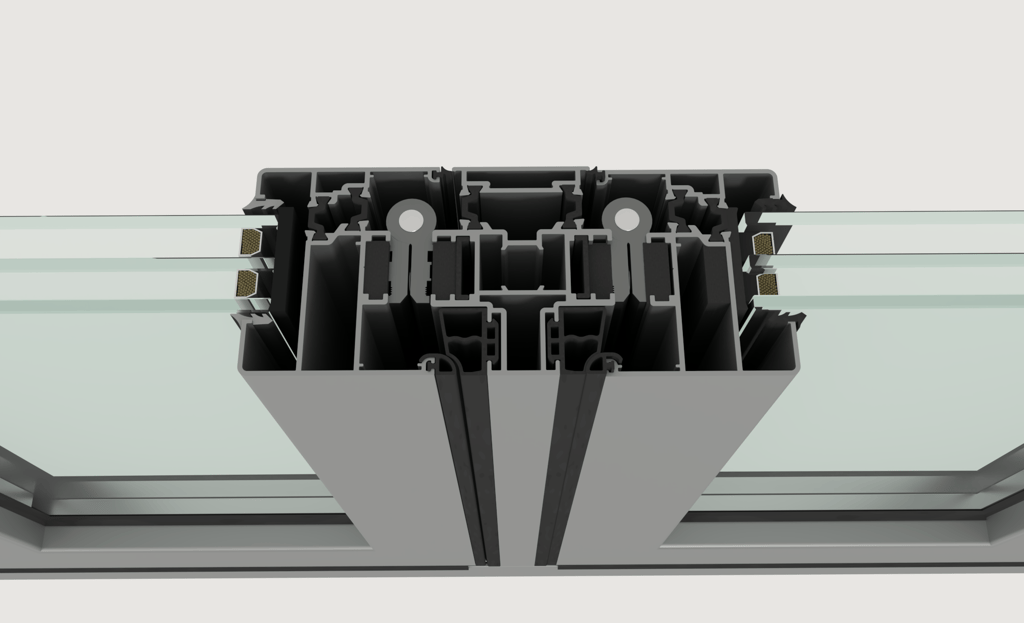
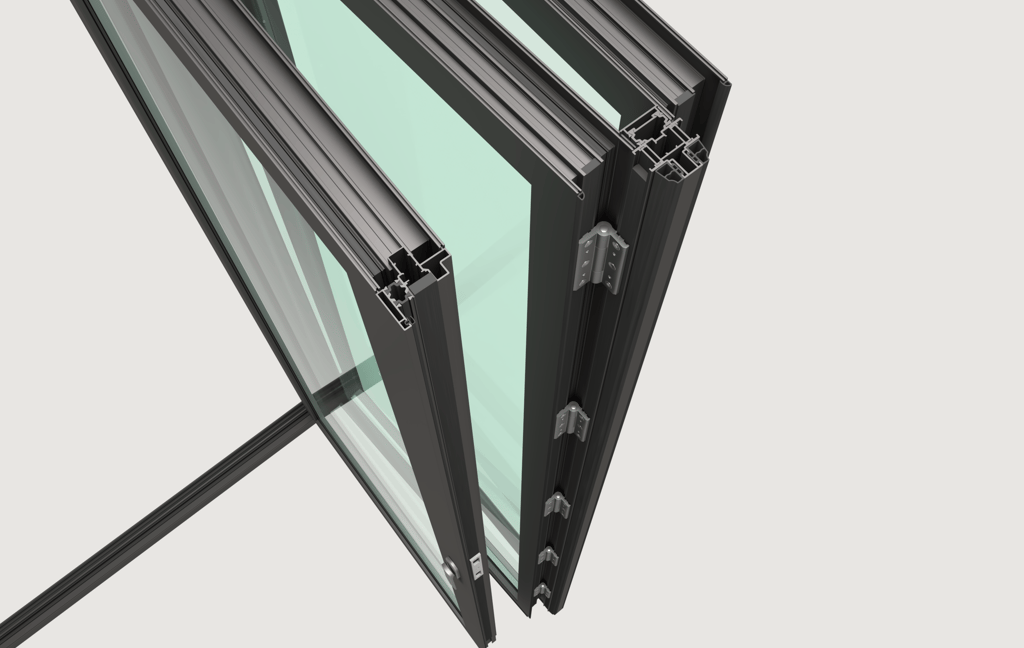
The system uses fully concealed hardware, integrating all hinges, corner components, and connectors into dedicated internal channels. When closed, only the profiles and seals remain visible, creating a clean, uninterrupted minimalist façade.
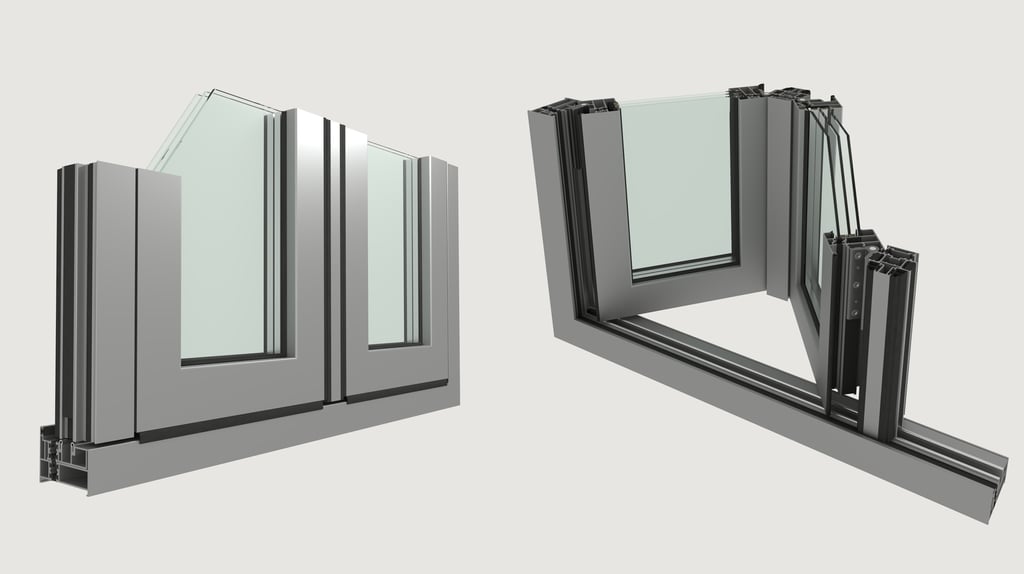
GBA FD130 bi-fold system
Each panel supports up to 150 kg, enabling the use of large insulated glazing units The system features a 36 mm sash sightline and 141 mm mullion, achieving minimal visual framing while maintaining structural strength—ideal for premium residential and commercial façades.
The bi-fold configuration supports both:
Odd-panel corner openings
Even-panel corner openings
This allows the system to achieve exceptionally wide, unobstructed openings—ideal for the indoor–outdoor living spaces popular in Australia and the United States.
With pre-fabricated adjustment components and ±20 mm frame adjustment, the system accommodates on-site construction tolerances by:
Improving installation efficiency
Reducing misalignment risks
Adapting to typical AU & US construction tolerances
This provides a major installation advantage over conventional bi-fold systems.
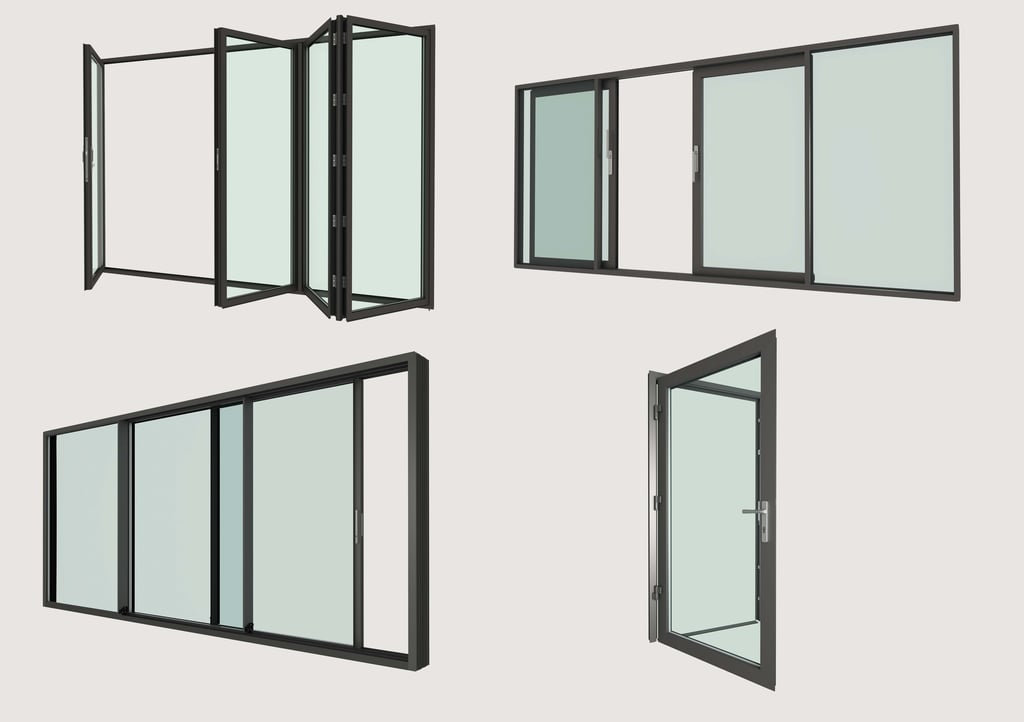
Technical Comparison: Bi-Fold Door vs Other Door Systems
How does a bi-fold door compare with other door systems in real project applications?
In markets such as Australia and the United States—where outdoor living, open layouts, and strict energy requirements are the norm—the choice of door system impacts façade transparency, U-values, usability, and the indoor–outdoor connection.
Bi-fold doors provide the widest possible opening, flexible folding configurations, and a more transparent façade, making them a preferred option for premium homes, townhouses, and multi-residential projects. Sliding, stacking, and hinged doors serve different roles depending on spatial, budget, and performance requirements.
Australia: NCC Energy Requirements & Compliance
Energy Efficiency Requirements
In Australia, door and window performance is regulated by the NCC (National Construction Code), which requires compliance with specific U-values and SHGC levels based on regional climate zones.
NCC Specification 36 defines material thermal properties for U-value calculation, and most projects rely on AFRC-certified ratings for compliance.Lower U-values are essential for achieving 6- and 7-star residential energy ratings.
Designed for Australian Climate Zones
Australia’s diverse climate zones—tropical, desert, temperate, and cold—require flexible glazing configurations.
Our bi-fold system supports:
Low-E coated glass
IGU double glazing
Laminated safety glass
Acoustic glazing
These help reduce overall U-values and noise transmission, making the system ideal for multi-residential apartments, townhouses, and luxury homes.


USA: NFRC & IECC Compliance
Energy Efficiency Requirements
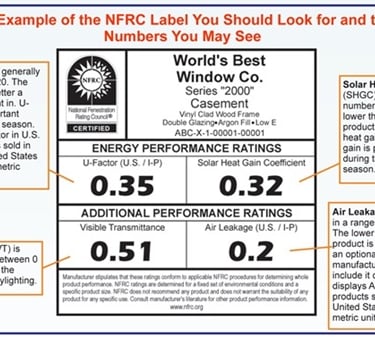
In the U.S., energy performance is governed by the IECC, with product ratings certified by NFRC.
Different climate zones require specific U-factor limits, such as:
Warm regions ≤ 0.75 Btu/(ft²·h·°F)
Cold regions requiring even lower values
Developers must submit NFRC-certified performance data aligned with the local IECC climate zone.
Designed for Australian Climate Zones
Large opening bi-fold doors are highly popular in U.S. luxury homes and commercial spaces.
A system supporting 150 kg panels is ideal for high-end villas, patios, resorts, and coastal homes.
Concealed hardware improves aesthetics while meeting structural load and durability requirements typical of North American building codes.

If your project requires lower energy consumption, a more open façade design, or enhanced performance under the demanding climates of Australia and the Americas, now is the best time to rethink traditional door systems and consider upgrading to a high-performance bi-fold solution.
Whether you are a developer, builder, or design team, we provide fully compliant configurations tailored to AS and NFRC standards, including structural options, glazing packages, and concealed hardware systems.
Innovation
quite
info@gbachasefacade.com
© 2024. All rights reserved.
window system
DOOR system