
Why Window & Door Handles Matter in the U.S. Market
In U.S. construction projects, differentiation is not defined only by product performance, but by installation efficiency, construction rhythm, and risk control capability.
3/13/20263 min read


In modern American residential and commercial construction, window and door handles are more than just accessories. They are key components that affect security, usability, and the overall performance of the window or door system. From casement windows in suburban homes to sliding doors in modern apartments, the right handle improves both function and architectural style.
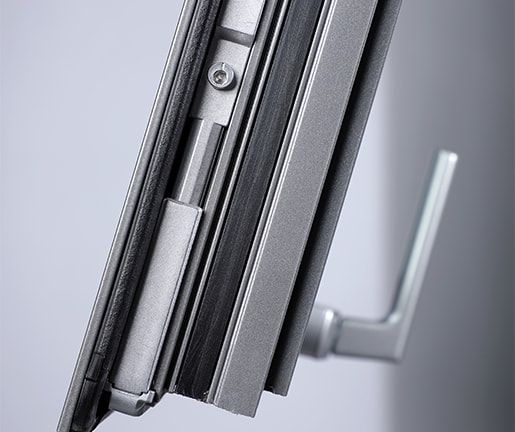
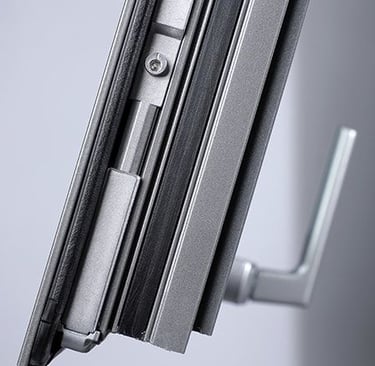
Common Types of Window and Door Handles in the U.S.
Different window systems used in the U.S. require different handle designs. The most common types include:
Casement Window Handles
Used for crank-operated or multi-point locking casement windows. These handles allow users to open outward-swing windows smoothly and lock them securely.
Sliding Door Handles
Typically integrated with latch systems and sometimes multi-point locks. They are designed for smooth operation and ergonomic grip.
Tilt and Turn Handles
Widely used in European-style windows that are increasingly popular in the U.S. These handles allow two opening modes: tilt ventilation and full inward opening.
Minimalist Lever Handles
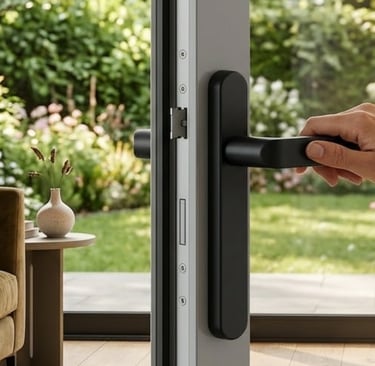
Modern architecture in the U.S. favors slim, minimalist handles that match aluminum window frames and contemporary home designs.


Materials Used for High-Quality Handles
Durability is critical for window and door hardware in the U.S., especially in coastal states like Florida and California where corrosion resistance is essential.
Common materials include:
Aluminum Alloy
Lightweight and corrosion-resistant, aluminum handles are commonly used in modern aluminum window systems.
Stainless Steel Components
Internal springs and mechanical parts often use stainless steel to ensure long-term durability.


Security Features in Modern Window Handles
Security is one of the primary concerns for American homeowners. High-quality window handles are designed to integrate with advanced locking systems.
Key features include:
Multi-Point Lock Compatibility
Many American casement and hinged doors use multi-point locking systems to improve security and sealing performance.
Anti-Pry Design
Reinforced internal mechanisms prevent forced entry attempts.
Optional locking handles are recommended for ground-level apertures to ensure maximum break-in resistance.
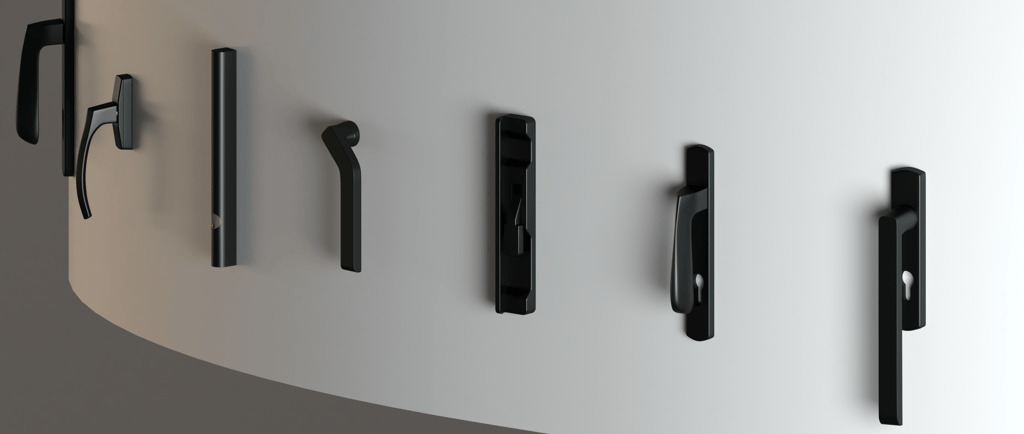
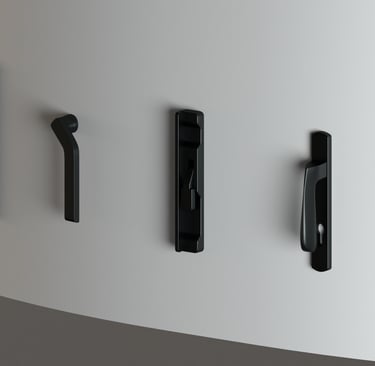
Ergonomic and Minimalist Design Trends
Modern American architecture emphasizes clean lines and minimalistic aesthetics. Window handles are therefore designed to blend seamlessly with aluminum frames and glass facades.
Popular design trends include:
Slim lever handles
Hidden base mounting
Square spindle structures for stronger connection
Matte black or brushed aluminum finish
These designs not only improve the appearance of the window system but also provide a comfortable grip and smooth operation.
Choosing the Right Handle for Your Window System
When selecting handles for residential or commercial projects in the U.S., builders and developers typically consider several factors.
Factor
Importance
Durability
Handles must withstand frequent use
Corrosion Resistance
Important for coastal regions
Security Compatibility Works with multi-point locks
Design Matches modern architectural styles
Installation Compatible with standard spindle sizes
Choosing the right handle ensures that the entire window or door system operates safely, smoothly, and reliably for years.

The Importance of Quality Hardware in Window Systems
Window and door handles may seem like small components, but they play a crucial role in the performance, security, and aesthetics of modern buildings in the United States. High-quality handles with durable materials, ergonomic design, and reliable locking compatibility are essential for long-term building performance.
Innovation
quite
info@gbachasefacade.com
© 2024. All rights reserved.
window system
DOOR system