
Meeting AS 2047 and ASTM Water-Tightness Standards: A Technical Guide for China Export Windows
For window and door systems, water-tightness determines whether the windows can effectively prevent rainwater infiltration under wind and rain exposure, protecting the building envelope, avoiding leaks, mold, and degradation of energy efficiency or acoustic performance. For products exported to markets like Australia and the US, water-tightness is a critical compliance and performance factor.
11/28/20252 min read
For window and door systems, water-tightness determines whether the windows can effectively prevent rainwater infiltration under wind and rain exposure, protecting the building envelope, avoiding leaks, mold, and degradation of energy efficiency or acoustic performance. For products exported to markets like Australia and the US, water-tightness is a critical compliance and performance factor.
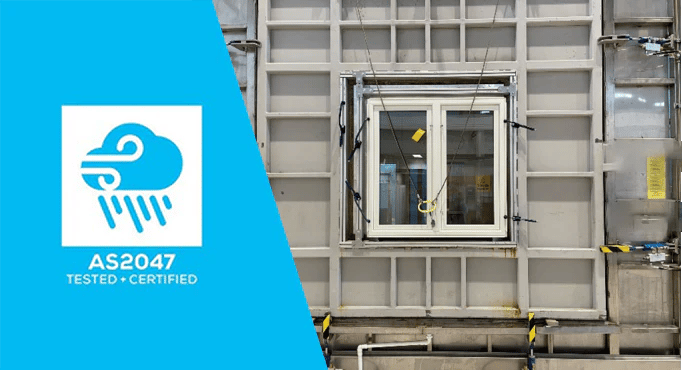
The Australian Standard AS 2047:2014 (and Related Standards)
AS 2047 is the mandatory performance requirement for all windows installed in Australia. Water-tightness testing under AS 2047 is conducted according to AS/NZS 4284 or similar façade performance procedures, and incorporates wind pressure classifications defined in the National Construction Code (NCC).
Key features include:
Testing pressure is directly tied to the window’s wind classification (N1–N6, C1–C4).
Water is sprayed while the window is subjected to positive air pressure, simulating real coastal or cyclone environments.
Queensland (QLD) typically requires higher water-tightness due to tropical rainfall, cyclones, and wind-driven water entry.
Failure occurs when uncontrolled water penetrates beyond the inner face of the window.
Official references (Australia):
Australian Building Codes Board (ABCB) – National Construction Code
Queensland Building and Construction Commission (QBCC)
Standards Australia – AS 2047 Product Standard

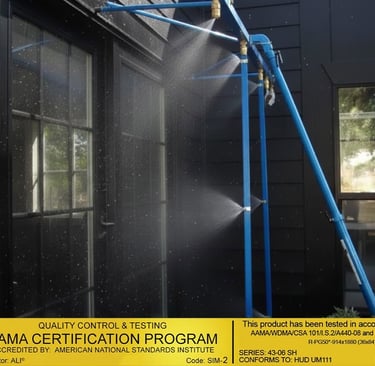
ASTM E331 / E547 Water-Tightness Testing (United States)
For the U.S. market, window testing is based on the ASTM system, primarily:
ASTM E331 – Standard Test Method for Water Penetration by Uniform Static Air Pressure
ASTM E547 – Standard Test Method for Water Penetration by Cyclic Pressure
Key features include:
A fixed static or cyclic pressure is applied while water is sprayed at a constant rate.
Pressure levels correspond to building categories used in AAMA/FGIA or local building codes.
U.S. tests focus on inward water penetration under static or cyclic loads rather than the classification system used in Australia.
Official references (United States):
ASTM International
ICC Building Codes
AAMA/FGIA window performance guidelines
Key Technical Differences Between AS 2047 and ASTM

How China Export Windows Can Meet Both Standards
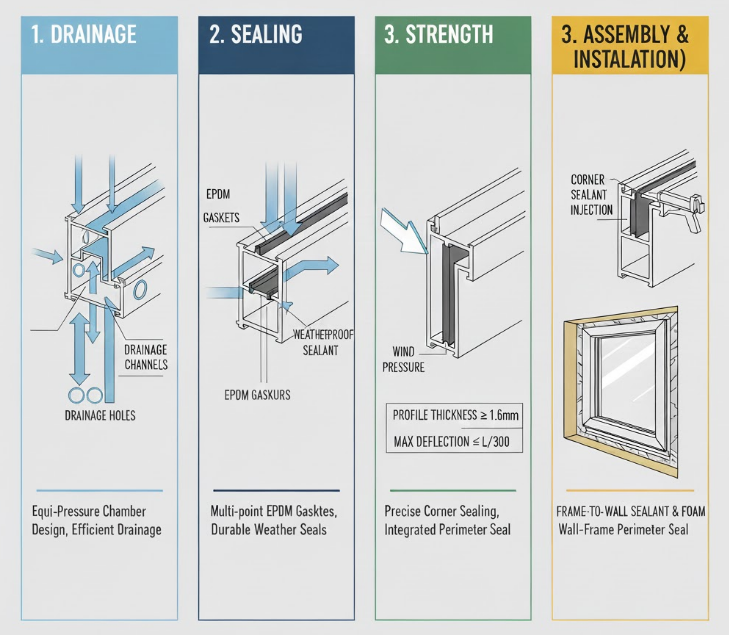
Chinese window manufacturers exporting to Australia and the U.S. typically optimize system design using:
Thermal break aluminum profiles:
Multi-point locking systems
EPDM compression gaskets
High-performance corner joints
Enhanced drainage channels for heavy rainfall zones
Concealed hardware to improve sealing pressure
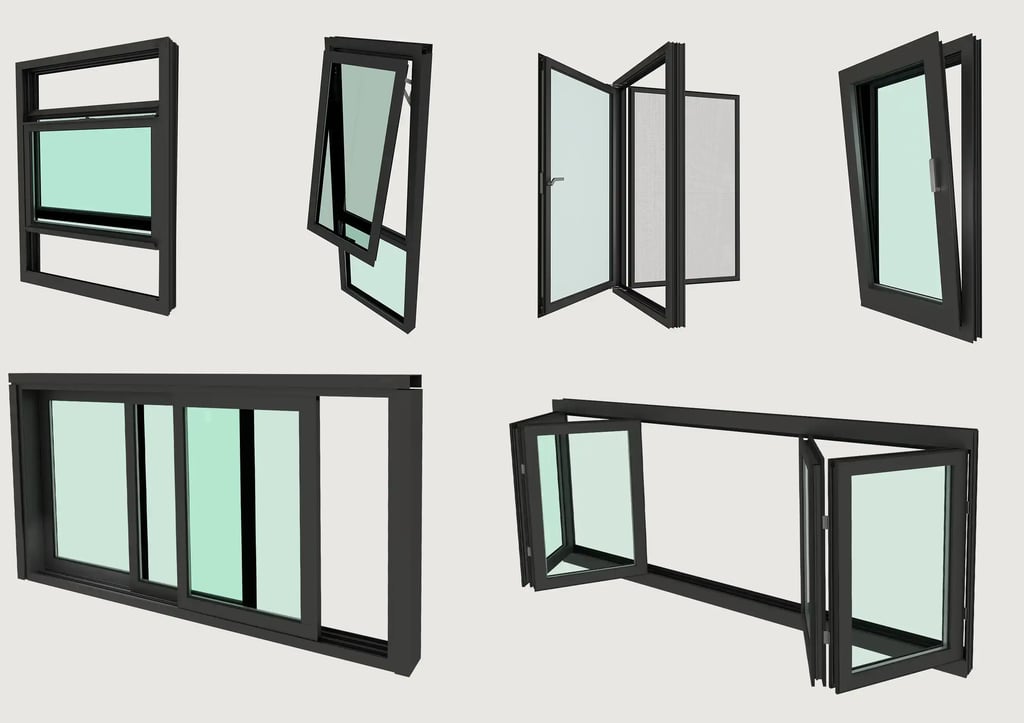
With proper system engineering, a single window design can be tested to meet both AS 2047 water-tightness and ASTM water penetration requirements, making products suitable for global distribution.
How China Export Windows Can Meet Both Standards
Conclusion
For developers and importers using China-made windows in international markets, understanding the differences between AS 2047 and ASTM water-tightness requirements ensures correct system selection and compliance. With careful engineering, Chinese manufacturers can achieve strong performance across both standards, delivering reliable products for both Australian and American building environments.
Innovation
quite
info@gbachasefacade.com
© 2024. All rights reserved.
window system
DOOR system